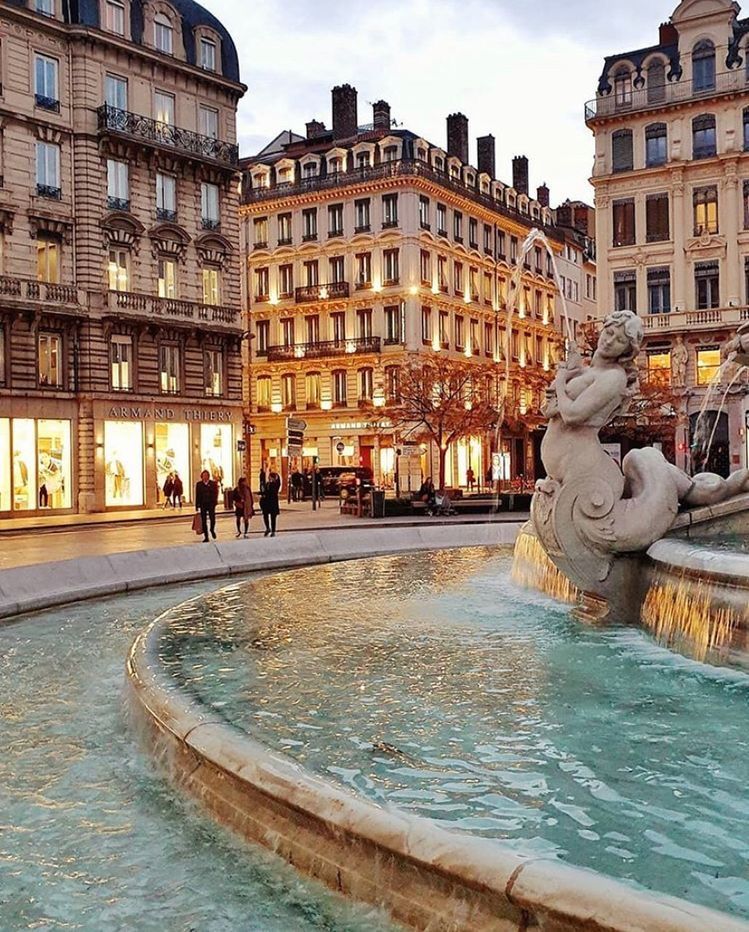
Montpellier is a vibrant city in southern France, located in the Occitanie region near the Mediterranean Sea. With a young and dynamic population thanks to its historic university, the University of Montpellier, founded in the 13th century, the city blends tradition and modernity in a lively and multicultural atmosphere. Its historic center, known as the Écusson, is distinguished by its narrow medieval streets, charming squares like the Place de la Comédie, and iconic monuments such as the Arc de Triomphe. Furthermore, Montpellier is renowned for its Mediterranean climate, with warm summers and mild winters, its proximity to beaches and vineyards, and its commitment to culture, sustainability, and contemporary urban development, making it one of the most attractive cities in southern France for both students and visitors.
In 2007, it was the eighth largest city in the country by population within its city limits, and one of the few cities with more than 100,000 inhabitants whose population has grown continuously for fifty years, a period in which it has doubled. From 2006 to the present, Montpellier has gained 12,000 inhabitants annually.
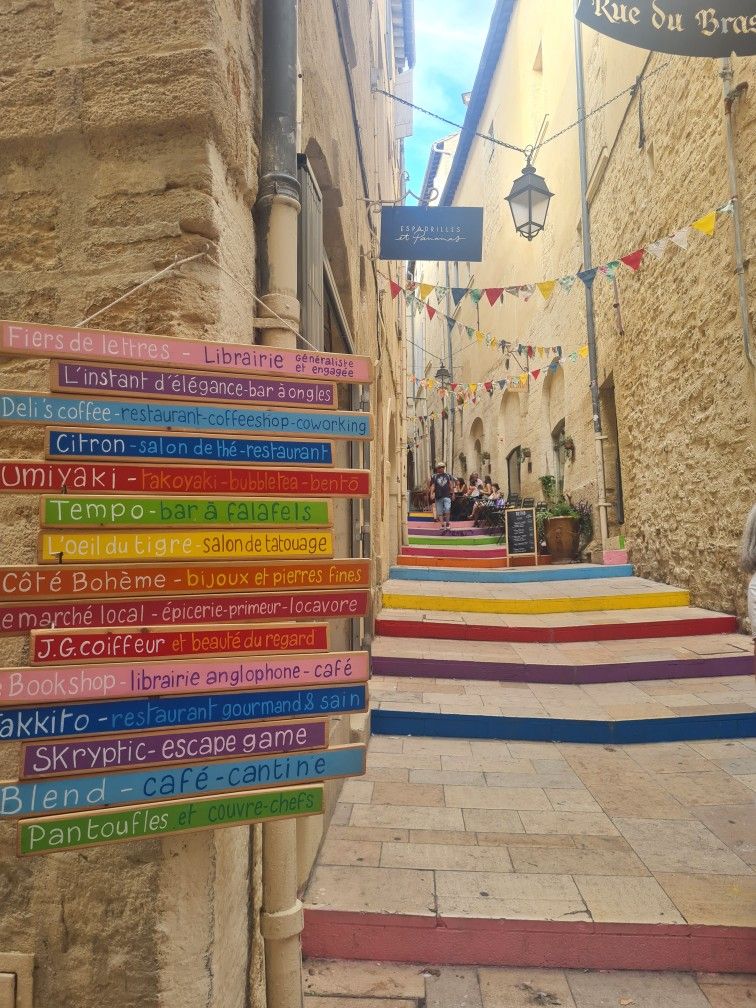
Montpellier's culture is diverse, dynamic, and deeply influenced by its university history and its location in the south of France. As home to one of Europe's oldest universities, the University of Montpellier, the student atmosphere has significantly shaped its cultural life, fostering critical thinking, creativity, and a vibrant artistic scene. Montpellier is renowned for its strong tradition in contemporary dance, most notably the prestigious Montpellier Danse, an international festival that brings together choreographers and dancers from around the world each year. In the realm of music, the city is home to the Orchestre National Montpellier Occitanie and hosts events such as the Festival Radio France Occitanie Montpellier, which offers concerts of classical, jazz, and contemporary music throughout the summer.
Furthermore, Montpellier's culture is also reflected in its architecture, where medieval buildings in the historic center coexist with modern designs in neighborhoods like Antigone, designed by architect Ricardo Bofill. The city boasts important artistic spaces such as the Musée Fabre, one of France's most prominent fine arts museums, housing collections from the Renaissance to contemporary art. Mediterranean tradition is also evident in its gastronomy, influenced by local produce, wines from the Languedoc region, and open-air markets that are an integral part of daily life. Likewise, its proximity to the sea and sunny climate foster a culture strongly oriented towards public life, outdoor festivals, and social gatherings in squares and on terraces, creating an open, youthful, and multicultural atmosphere that characterizes the city's cultural identity.
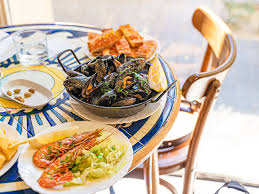
Montpellier's cuisine reflects the Mediterranean essence of southern France, combining fresh seafood with traditional inland ingredients. Dishes featuring fish and shellfish, olive oil, aromatic herbs, and seasonal vegetables are common. The city benefits from the wines of the Languedoc region, renowned for their quality and variety, which perfectly complement the local dishes. Furthermore, regional specialties such as tielle (octopus pie), salt cod brandade, and various artisanal cheeses can be sampled in its markets and restaurants, all within a simple yet flavorful and fresh culinary tradition.
Typical Dishes and Specialties
Brasucade de moules: Mussels cooked in a paella pan over a wood fire, flavored with herbs and wine.
Chichoumeille: A type of ratatouille or vegetable stew prepared with ripe peppers, typical of the area.
Cassoulet: Although originally from Castelnaudary, it is a flagship dish of southern France that is consumed in the region, based on white beans and meats such as duck and sausage.
Fougasse aux Fritons: Traditional bread from the Languedoc-Roussillon region, enriched with pieces of pork bacon.
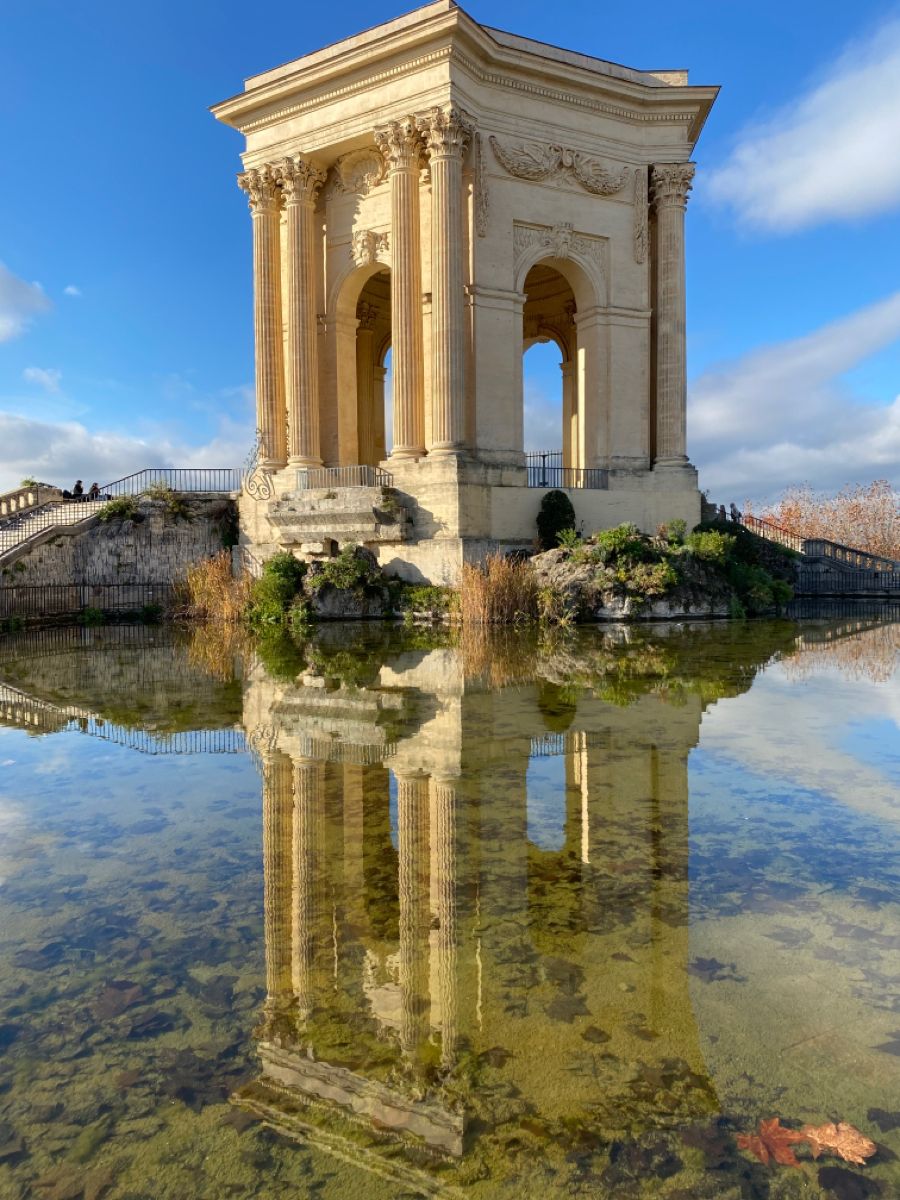
Montpellier is smaller than many French cities. So if you don't like being surrounded by crowds, this city is ideal for you.
In my opinion, a city break in Montpellier can be as relaxing as a beach holiday if you enjoy a calm and sunny atmosphere. I recommend walking through the historic center, especially around the Place de la Comédie, and spending time in parks or outdoor cafés. You can also visit the nearby beaches for a perfect balance between city and sea.
I believe holidays in your own country can be just as exciting as travelling abroad. In France, Montpellier offers history, culture, and beautiful Mediterranean weather. I recommend exploring cities like this because they combine tradition and modern lifestyle in a very enjoyable way.
Montpellier is one of the warmest cities in France, especially in summer. If you like hot and sunny weather, I recommend visiting in late spring or early autumn, when the temperatures are pleasant but not too extreme.
Holidays with friends can be very fun in Montpellier because it is a lively student city. I recommend discovering local markets, visiting museums, or simply enjoying the nightlife together. However, family holidays can also be special if you prefer a more relaxed and cultural experience.
Travelling by car can be convenient if you want to explore the surrounding countryside and beaches. However, I recommend checking train options as well, since public transport in France is often comfortable and efficient.
In my opinion, the worst thing about a holiday in Montpellier could be the intense heat during the peak of summer. I recommend planning outdoor activities in the morning or evening to avoid the hottest hours of the day and enjoy your trip more comfortably.