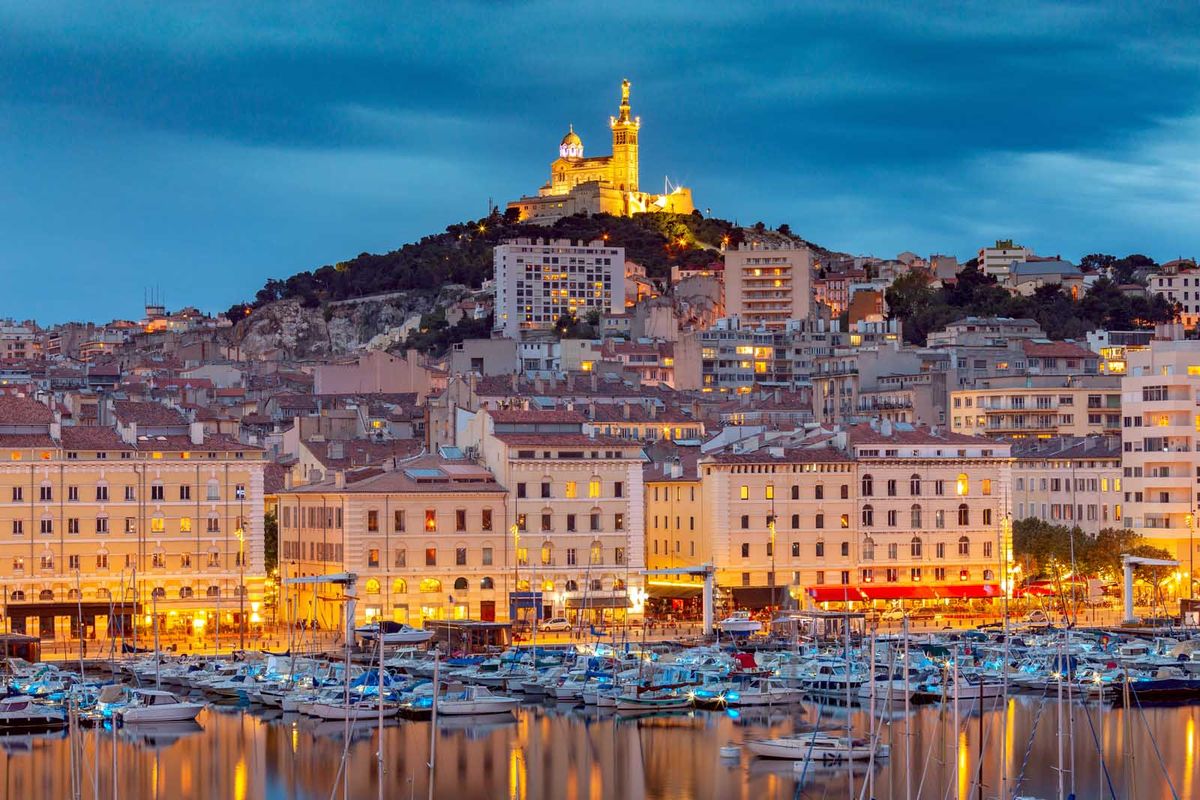
Marseille developed as Massalia, a trading colony founded by Phocaean sailors around 600 BC, preserving the oldest remnants of viticulture in France, introduced in the 4th century BC. The seat of a viscountcy in the 9th century, later dependent on the County of Provence, it was incorporated into the French crown in 1481 and benefited from France's strategic alliance with the Ottoman Empire during the Renaissance and the Ancien Régime. After the Revolution, which gave its name to the military march "Marseillaise," which later became one of France's national symbols, the city was the scene of the White Terror. During the 19th century, it experienced rapid progress with French colonial expansion into Algeria and the opening of the Suez Canal. It was partially destroyed during World War II and was one of the targets of Operation Dragoon. A traditional transit point for migratory flows that increased the multicultural character of the city, the economic crisis of the 1970s nevertheless caused a notable decline in population, the loss of purchasing power and the accentuation of social conflicts in the last quarter of the 20th century, before gradually recovering as one of the most important cities in the Euro-Mediterranean region.
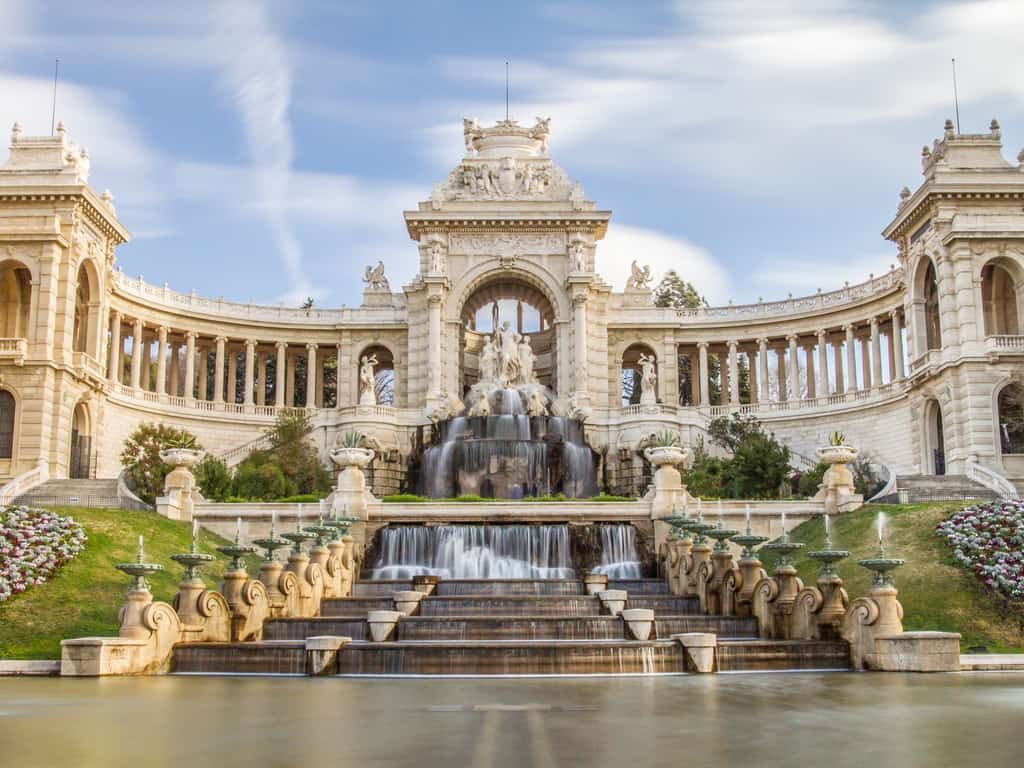
Marseille, located in the Provence-Alpes-Côte d'Azur region, is the second-largest city in France and one of the most important ports in the Mediterranean, with a history stretching back more than 2,600 years to its founding by the Greeks as Massalia. Its coastal location has made the city a crossroads of cultures, influencing its ethnic, gastronomic, and cultural diversity, and transforming it into a strategic commercial and maritime center from antiquity to the present day. The old port, the Vieux-Port, remains the heart of the city, surrounded by markets, fish restaurants, and cafes that reflect its vibrant daily life. Marseille is also known for its architectural heritage, which blends historic buildings such as the Basilica of Notre-Dame de la Garde and the Palais Longchamp with more modern and dynamic neighborhoods. The city boasts a rich arts and cultural scene, with museums like the MuCEM (Museum of European and Mediterranean Civilisations), music and theatre festivals, and a vibrant street life that combines tradition and modernity. Furthermore, its gastronomy is famous for iconic dishes like bouillabaisse, a reflection of its maritime and Mediterranean heritage, and its multicultural influence is evident in the variety of flavors found in its markets and restaurants. Today, Marseille presents itself as a place of contrasts: a historic port with a strong Mediterranean identity, an economic and cultural center, and a city in constant renewal that continues to attract tourism, commerce, and artistic creativity.
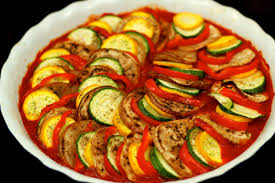
Typical Dishes and Specialties
Marseille's cuisine is a vibrant Mediterranean cuisine, dominated by fresh fish, olive oil, garlic, and Provençal herbs. Its signature dish is bouillabaisse, a traditional fish soup, along with tapenade (olive paste), panisses (chickpea flour fritters), and aioli. Influenced by its port, it offers intense and authentic flavors.
Bouillabaisse: An iconic fish soup, often served with rouille (garlic and saffron sauce) and whole fish.
Bourride: Another white fish stew (whiting, ray, mullet) similar to bouillabaisse but with aioli sauce.
Provençal aioli: cod, steamed vegetables and seafood accompanied by an intense garlic and olive oil sauce.
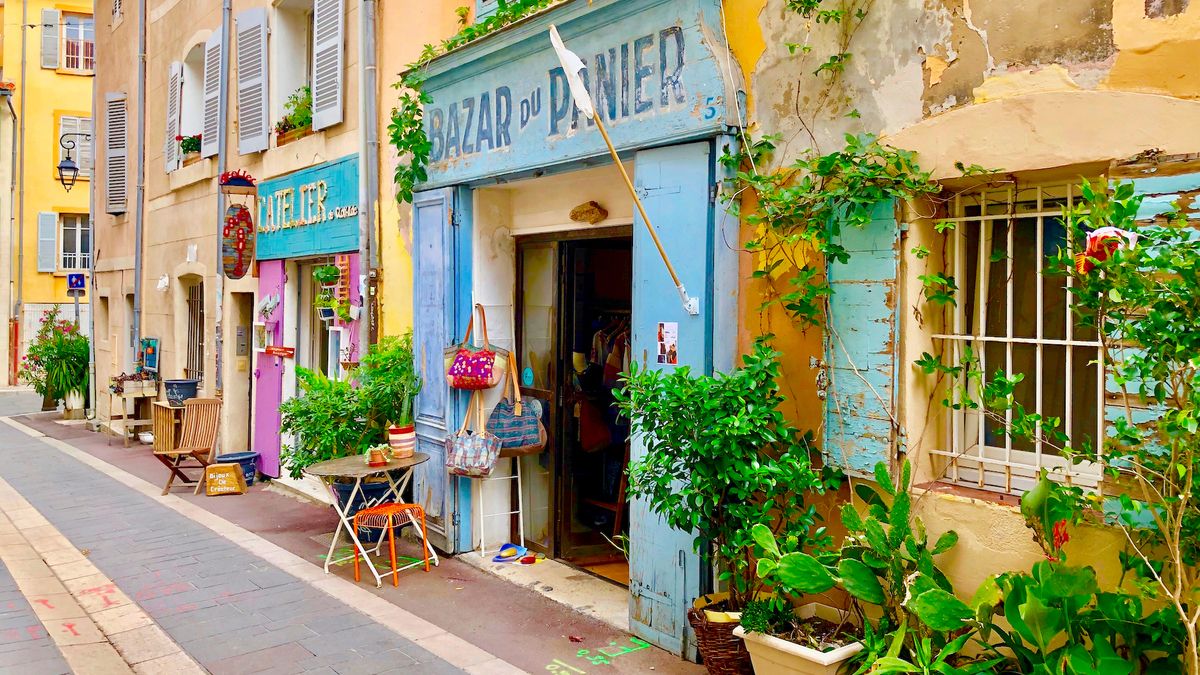
Marseille is more crowded than smaller cities, so I recommend visiting it if you really like tourist attractions.
In my opinion, a city break in Marseille can be very relaxing because it combines vibrant city life with beautiful Mediterranean beaches. I recommend exploring the Old Port of Marseille, walking along the coast, and taking some time to relax at nearby beaches. This mix of culture and sea makes for a very enjoyable holiday.
I believe holidays in your own country can be just as exciting as going abroad. Marseille offers unique experiences, from its historic neighborhoods to local cuisine and stunning seaside views. I recommend discovering cities like this before travelling far, because France has so much variety to offer.
Marseille is one of the hottest places in France, especially in summer. If you enjoy sunny and warm weather, I recommend visiting between late spring and early autumn, but make sure to stay hydrated and protect yourself from the sun.
Holidays with friends in Marseille can be very fun, especially if you enjoy exploring beaches, markets, and local restaurants together. I recommend visiting cultural sites like Basilica of Notre-Dame de la Garde as a group. Family holidays can also be great, especially if you prefer sightseeing at a slower pace and enjoying relaxed coastal activities.
Travelling by car can be convenient if you want to explore nearby towns along the French Riviera, but I recommend checking train options as well. Trains along the coast are comfortable, efficient, and offer beautiful views of the Mediterranean.
In my opinion, the worst thing about a holiday in a busy city like Marseille can be crowds during peak season. I recommend visiting in spring or early autumn for a quieter experience, so you can enjoy both the city and the sea more comfortably.